In November this year, the latest evolution of the Euro standards will see the initial phase of the new Euro 7 standard come into force for new cars and vans, including electric vehicles (EVs). So, what are they and how will they affect drivers?
Euro 7 Initial Timelines
Euro 7 standards will apply to brand-new car or van models launched on the market from November 29th 2026. However, from November 29th, 2027, all new cars and vans sold in dealerships must be Euro 7 compliant, even if the model was launched before 2026. Lorries and buses will be impacted from a later date. The Euro standards do not apply retrospectively to older vehicles.
There is an exemption for small-volume manufacturers that produce fewer than 10,000 vehicles per year. Such firms will not have to comply with Euro 7 until at least 2030.
Key Euro – Feature Summary
Euro 7 regulations will apply to all new petrol, diesel, hybrid, and electric vehicles. In addition to expanding emission standards to include non-exhaust emissions, such as pollutants from vehicle brakes and tyres, Euro 7 cars must meet standards that enhance a vehicle’s durability, which will be good news for consumers.
In brief, the new standards include:
Real-World Driving Conditions:
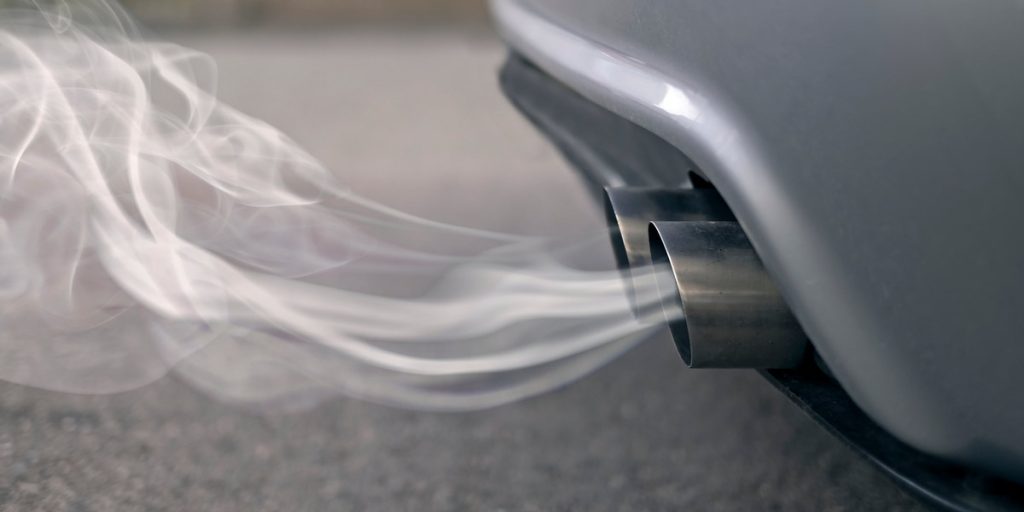
- While exhaust limits for cars remain similar to Euro 6, they now need to be met under much tougher conditions. This includes short journeys, extreme temperatures (up to 45°C), and stop-start urban traffic—scenarios where vehicles have traditionally produced the most pollution.
New Regulations for Brake and Tyre Particulates:
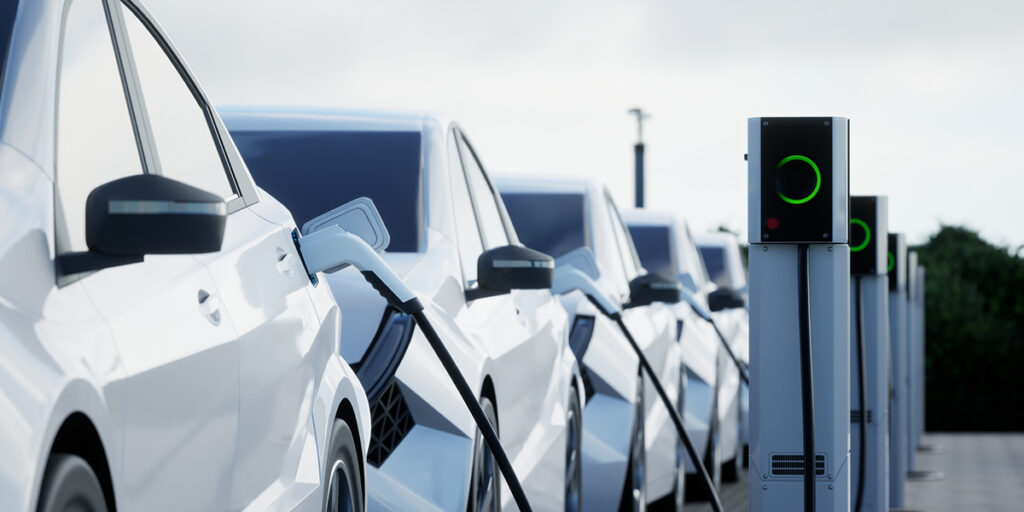
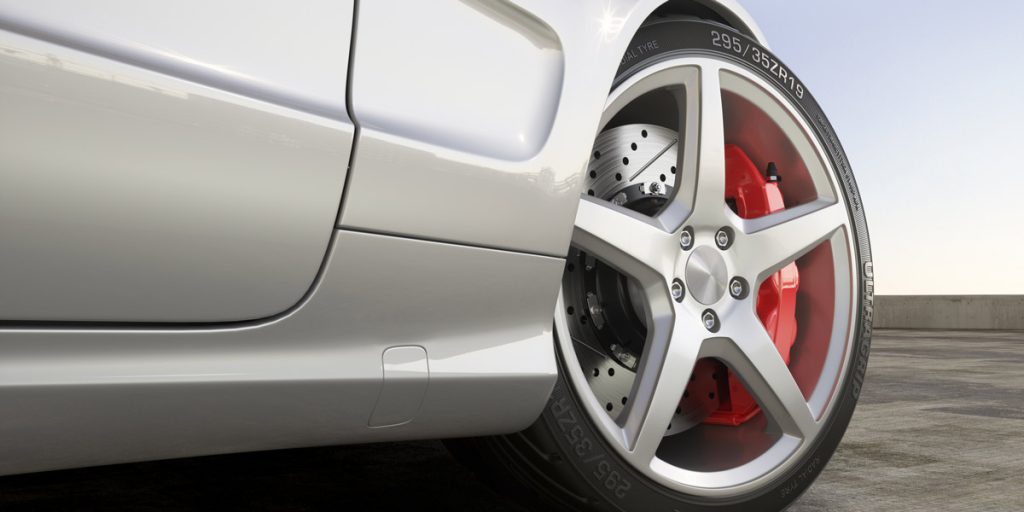
- For the first time, non-exhaust emissions are regulated. This ensures that even EVS, which have no tailpipe, are held accountable for the dust they produce. Pure EVs face a stricter brake limit of 3mg/km, while hybrids and petrol/diesel cars are limited to 7mg/km.
Electric Vehicle Battery Durability
- Euro 7 introduces the first-ever legal protections for EV battery life. Manufacturers must ensure that batteries retain at least 80% of their capacity after 5 years (or 100,000km) and 72% after 8 years (or 160,000km), thereby safeguarding the resale value of used EVs
Doubled Durability Requirements
- Emission control systems must now remain effective for twice as long as before—up to 10 years or 200,000 kilometres—ensuring cars don’t become “dirtier” as they age.
On-Board Monitoring (OBM)
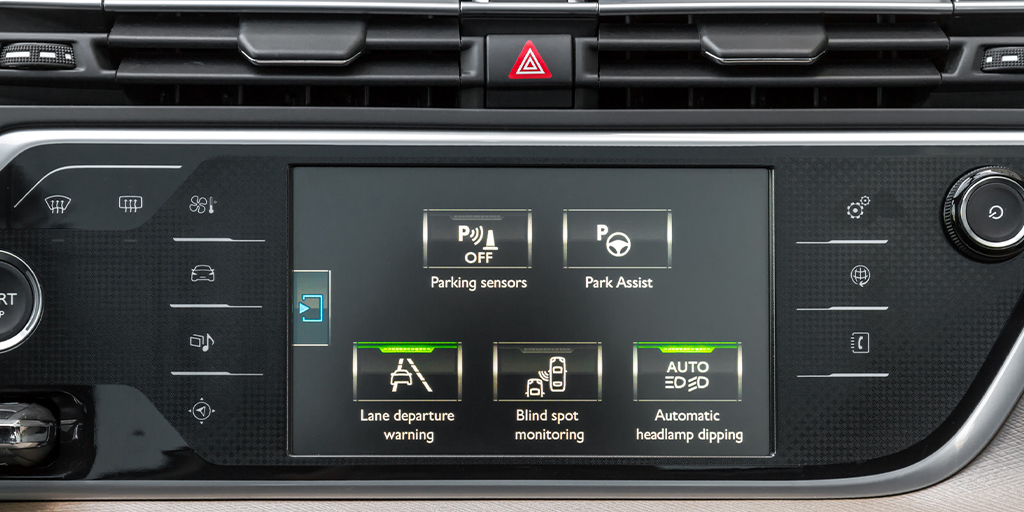
- New vehicles will be fitted with sophisticated sensors that monitor emissions in real-time. If a vehicle begins to exceed legal limits due to a mechanical fault, the driver is alerted immediately, rather than waiting for an annual MOT.
Euro Standards and Clean Air Zones
One of the most tangible pieces of evidence of the current Euro standards today are the various Clean Air Zones (CAZs) across the UK.
At the time of writing, both the RAC and Transport for London have indicated that there are no immediate plans to change CAZ standards in response to Euro 7. However, it may be considered in the future, depending on the government’s air-quality priorities.
The current position remains unchanged as follows
Generally, with some exceptions, to avoid CAZ fines or fees, diesel cars and vans must meet the Euro 6 standard, which came into effect on September 1st, 2015, and petrol cars must comply with the Euro 4 standard, which applies to cars registered after January 1, 2006.
At this point, it is important to note that there may be exceptions to these dates. Some ‘cross-over’ vehicles sold in the months before and after the Euro standards’ launch dates may or may not comply with the relevant standards. Additionally, not all CAZs operate to the same standards. To address this, you can check your car’s compliance using just your registration number here