
The appeal of 20-40% better fuel economy offered by diesel engines compared to equivalent petrol engines was a significant advantage. However, the ‘dieselgate’ scandal, ‘dirty diesel’ accusations, and the costs associated with the Clean Air Zone for diesel cars rated as ‘Euro 5’ or earlier—typically registered before September 2015—have all contributed to a sharp decline in diesel sales. In contrast, for Clean Air Zones, petrol cars can generally be registered as far back as 2006 without incurring costs.
The net result has been a decline in new diesel car sales, leading to fewer used diesel options.
That lack of diesel car choice is hitting mainstream cars particularly hard. Large brands such as Vauxhall, Toyota, Hyundai, Nissan, Honda, Dacia, MINI and Volvo no longer offer any diesel models, and other manufacturers only offer very limited choice when it comes to diesel cars.
The rapid rise in diesel prices, given the current situation in the Middle East, only adds to the problem. Diesel has risen to 181.20p per litre, far outpacing the rise in petrol costs to 152.01p per litre1. The 19.2% diesel-to-petrol fuel cost uplift is now eating into much of the fuel economy advantage diesel once held.
It is a real dilemma; however, Euro 6 diesel cars, typically registered after September 2015, have upped their environmental credentials considerably, but even that has brought issues.
The periodic need to use AdBlue as an additive to help diesel vehicles meet the Euro 6 emission regulations is often viewed by drivers as inconvenient, frustrating, and, if it goes wrong, expensive.
The AdBlue system requires numerous sensors, injectors and pumps that can fail over time and use, potentially adding to long-term reliability concerns. And then there are Diesel particulate filters (DPFs), which capture particulate matter from diesel exhaust, can fill up over time and require ‘regeneration’ to burn it off.
The net result is that diesel cars are becoming increasingly hard to justify compared to other options. However, there are some pockets of logical choice.
- Anyone who tows a caravan, trailer, or horse box will value the additional torque of a diesel engine.
- High mileage personal users may find the efficiency works for them, but company car drivers are likely to view the benefit-in-kind tax benefit of driving a battery electric vehicle as irresistible.
- Finally, rural drivers who aren’t likely to visit clean air zones regularly and who may not have access to a big public EV charging network may find that pre-2015 vehicles are a good choice if they are prepared to accept their negative environmental shortcomings.
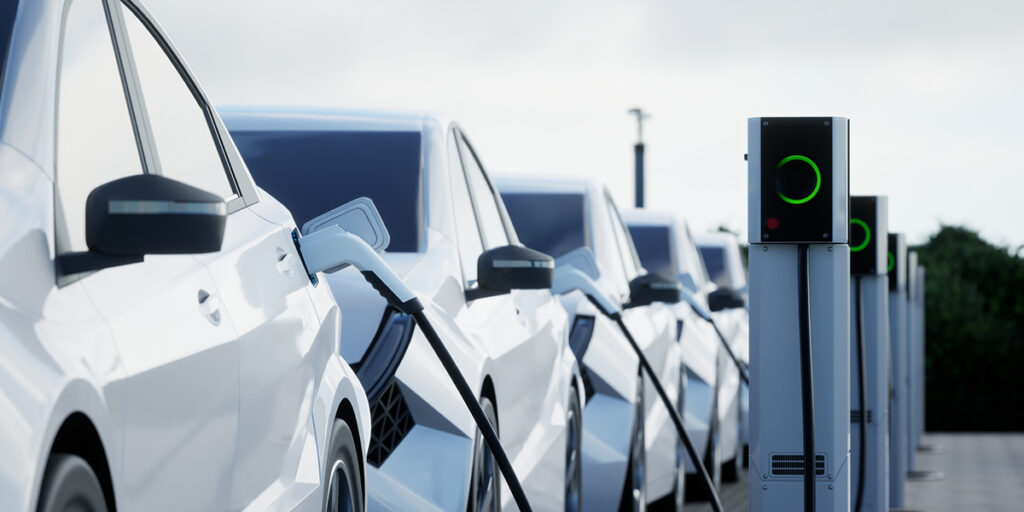
The net result is that as more EVs hit used car forecourts at affordable prices and with lower running costs, especially for people with a home charger, more people will go electric. But logic in car buying is not always the main motivator.
If this is the case, then the next few years are likely to be the last hurrah for used diesel sales, which will inevitably mirror the decline in new car sales.
1 as at 30/03/26 – https://www.rac.co.uk/drive/advice/fuel-watch/